
Camponotus foreli
Camponotus foreli
SKU:
Out of stock
Couldn't load pickup availability
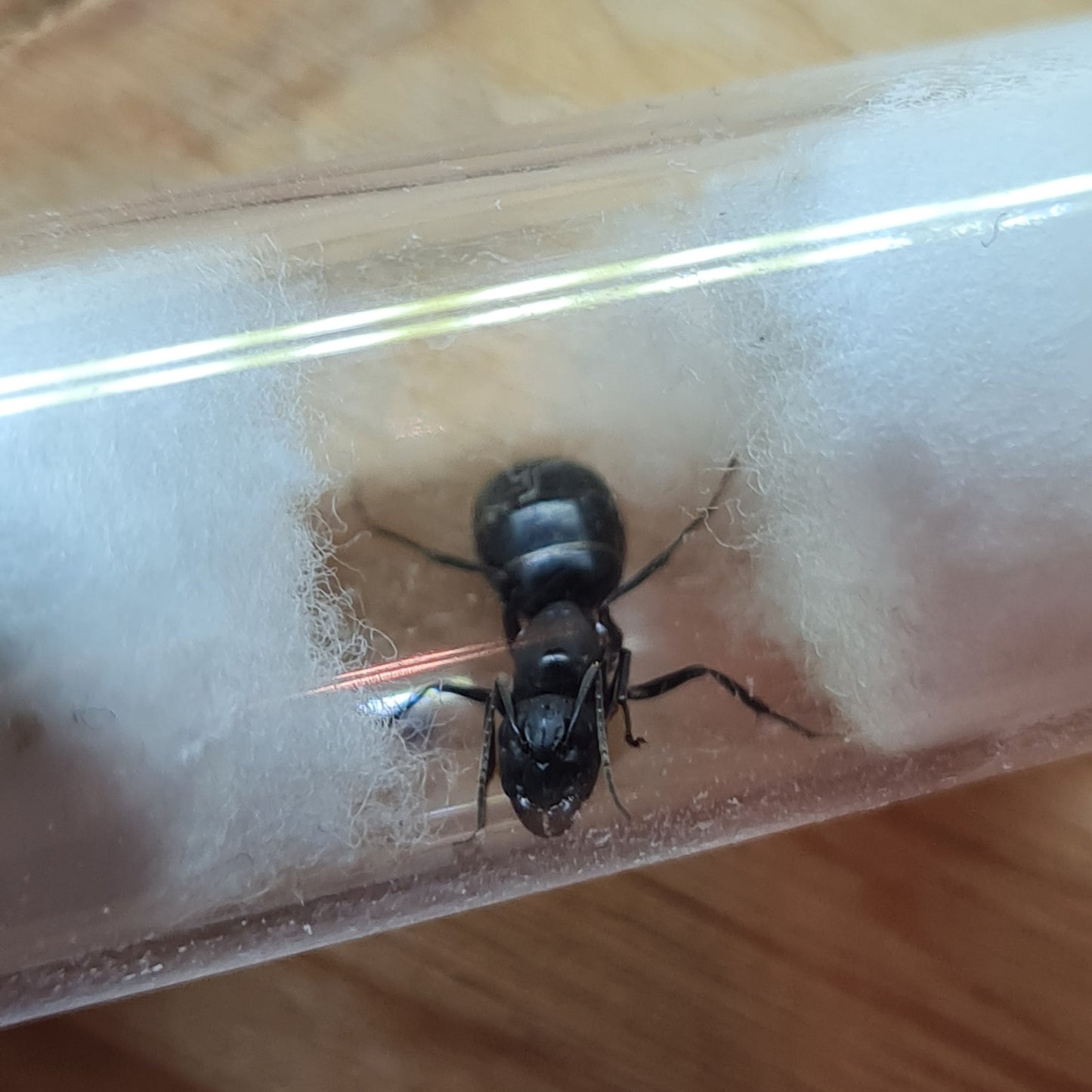
Description
Name: Camponotus foreli
Origin: Spain
Queen: approx. 13 – 15 mm
Workers: approx. 6 – 10 mm (polymorphic)
Food: Carbohydrates (honey, sugar water, maple syrup), proteins (insects such as flies, crickets, cockroaches)
Humidity:
• Arena: 30 – 50 %
• Nest: 50 – 70 %
Temperature:
• Arena: 24 – 30 °C
• Nest: 26 – 30 °C
Winter Dormancy: Southern European winter dormancy
Nest Type: Ytong, plaster, or 3D nests with a slightly moist nest chamber
Colony Size: approx. 1,000 – 5,000 workers
Advantages and Disadvantages of Camponotus foreli
Advantages:
An attractive, two-toned species with striking large workers. It is robust, active, and very rewarding to observe. No winter dormancy required, making it interesting year-round. Colonies grow moderately fast under optimal conditions.
Disadvantages:
Brood development tends to be slow during the founding phase, requiring patience. Warmth is essential – growth stagnates in conditions that are too cool. Due to their size, they need a lot of space later on.
Care
A test tube nest with a small arena is sufficient during the founding phase. As the colony grows, a well-ventilated nest (e.g. Ytong or plaster) with a slightly moist chamber is recommended. An arena of at least 20×20 cm and climbing opportunities provide species-appropriate enrichment. Escape-proofing is important, as they have powerful mandibles.
Feeding
Offer proteins (insects such as flies, crickets, cockroaches) every 2–3 days.