


Carebara castanea
Carebara castanea
SKU:
Out of stock
Couldn't load pickup availability

Description
Name: Carebara castanea
Origin: Southeast Asia (e.g. Thailand, Malaysia)
Queen: approx. 8 – 10 mm
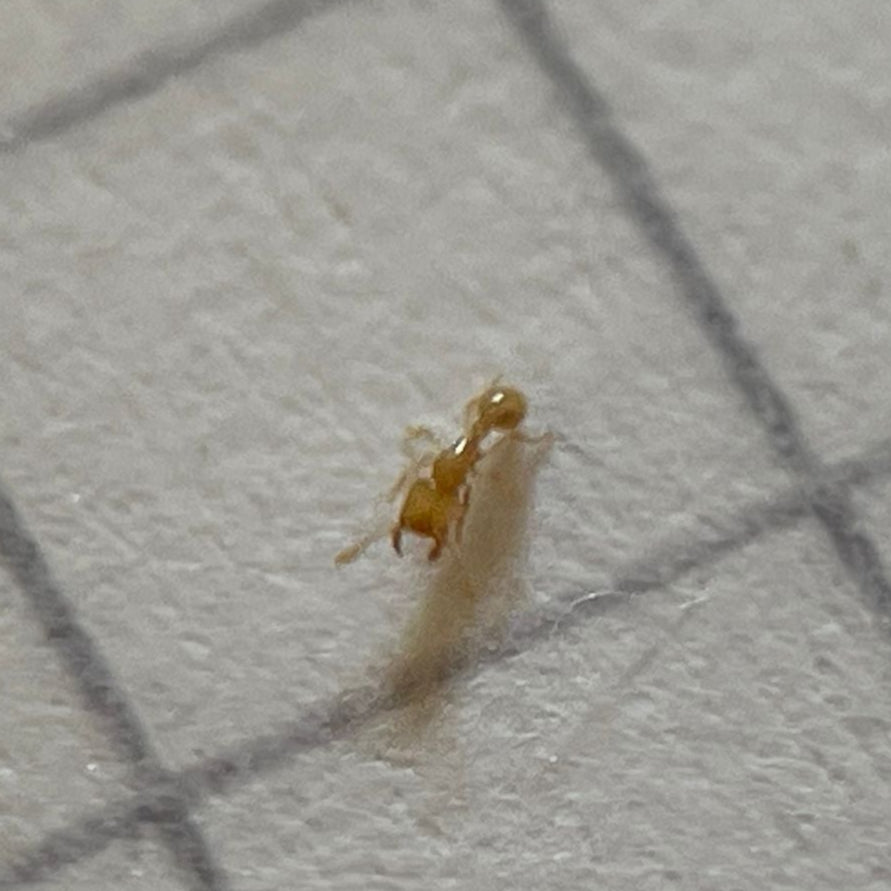
Workers: Minor: approx. 1 – 1.5 mm | Major/Soldiers: approx. 3 – 4 mm
Food: Carbohydrates (honey, sugar water), proteins (tiny insects, e.g. springtails, fruit flies, micro crickets)
Humidity:
• Arena: 60 – 80 %
• Nest: 70 – 90 %
Temperature:
• Arena: 24 – 28 °C
• Nest: 24 – 28 °C
Winter Dormancy: None, tropical species
Nest Type: Moist Ytong, plaster, or sand-clay nests, alternatively earth nests with high humidity
Colony Size: tens of thousands of workers possible
Advantages and Disadvantages of Carebara castanea
Advantages:
Extremely polygynous and highly polymorphic – colonies contain tiny minors and striking majors. Fascinating social behavior and large colonies possible. A very exciting species to observe for experienced keepers.
Disadvantages:
Tiny minors require perfect escape-proofing. Constant need for high humidity. Due to their small size, difficult to observe without a magnifying glass or macro lens.
Care
During the founding phase, a test tube nest with a very moist cotton reservoir and mini arena is sufficient. Later, moist sand-clay or Ytong nests are recommended. A consistently moist nest area is crucial for the brood's survival.
Feeding
Due to the very small minors, only very small food should be offered – e.g. crushed fruit flies, micro crickets, or freshly killed springtails. Carbohydrates (honey or sugar water) should be permanently available.